
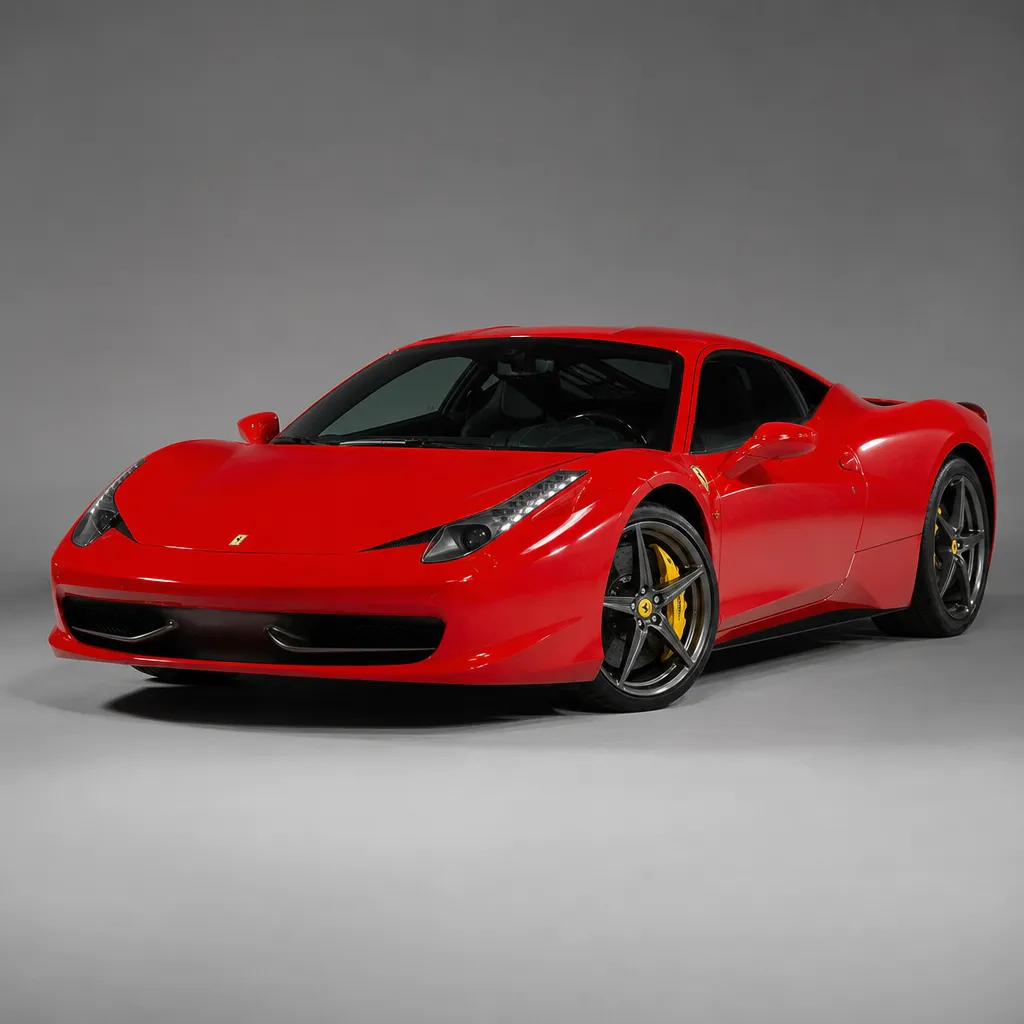
Ferrari 458 Ownership
Ferrari 458: 458 Italia and Spider ownership is manageable if you budget properly. There’s no cambelt service and the cars are fundamentally robust, but annual servicing, tyres and the odd big-ticket item add up. Use a good UK Ferrari specialist, keep it on a battery conditioner, and budget a sensible reserve. The Spider adds a folding-roof system to look after; otherwise running costs are broadly the same as the coupé.
Last reviewed:
What to ask a seller: evidence of annual servicing post‑Genuine Maintenance; proof of DCT fluid/filter changes within the last 3–4 years; brake disc wear readings from a dealer or specialist; condition of dampers and suspension arms; roof service/repairs on Spiders; age of TPMS sensors and battery. Check for overspray on front bumper/undertrays and for heat‑related finish issues around the exhaust exit. Fuel economy in mixed UK use is typically high‑teens to low‑20s mpg; plan your usage accordingly. VED for most 2010–2015 cars sits in the top CO2 band, so budget around the upper end of the annual rate. Agreed‑value insurance on limited mileage is normal for UK collectors; premiums vary with postcode, mileage and experience. If you intend to track the car, budget for accelerated consumables: rear tyres can be a one‑ or two‑day item on sticky rubber, pads may need shortening intervals, and brake fluid should be changed more frequently. Keep alignment within factory spec unless you accept faster inner‑edge tyre wear from aggressive camber.
458 Italia and Spider ownership is manageable if you budget properly. There’s no cambelt service and the cars are fundamentally robust, but annual servicing, tyres and the odd big-ticket item add up. Use a good UK Ferrari specialist, keep it on a battery conditioner, and budget a sensible reserve. The Spider adds a folding-roof system to look after; otherwise running costs are broadly the same as the coupé.
- Dual‑clutch gearbox: internal speed sensor/mechatronic faults do occur. A specialist repair is typically £6,000–£9,000; a factory exchange unit is far higher and rarely needed if caught early. - Carbon‑ceramic brakes (CCM): discs usually last road users many tens of thousands of miles but are expensive if worn or chipped. Budget £2,500–£3,000 per disc new; pads £600–£900 per axle. Inspect wear data and look for track use. - MagneRide dampers: leaks or internal wear are not rare on higher‑mileage cars. Replacement new is usually £1,200–£1,800 per corner; rebuild options can halve that. - 458 Spider roof: micro‑switches and hydraulics can play up. Minor switch faults £300–£600; rams £800–£1,200 each; pump £2,500–£3,500. - Sticky interior coatings: a full de‑tack/refinish of switches and vents is commonly £1,500–£3,000 depending on scope. - Air‑con condensers and front radiators: stone‑damage is common; £700–£1,000 each fitted. - Suspension arms/ball joints: wear shows as knocks or uneven tyre wear. Expect £1,000–£1,500 a side for upper arms on a specialist invoice. - Tyre pressure sensors: ageing batteries trigger warnings; a set is £300–£500 fitted. - Bodywork: front undertray/bumper kerbing and heat‑affected rear bumpers on early cars; inspect carefully and budget for quality paint if needed.
In practice, a well‑maintained 458 is one of the easier modern Ferraris to live with. Annual servicing is time‑based, not mileage‑based; many UK cars have lived on low miles, so a complete service history matters more than odometer readings. The factory 7‑year Genuine Maintenance scheme covered early life; after that, keep to yearly oil/brake fluid and a three‑ to four‑year cycle for plugs and DCT fluid. Use super unleaded and a conditioner whenever the car sits. Many odd electrical warnings clear with a healthy battery. Tyres (245/35 ZR20 front, 295/35 ZR20 rear) last well on the road but rears can disappear quickly with enthusiastic use; geometry set‑up makes a noticeable difference to wear and steering feel. On the road the standard CCM brakes cope with UK use for years; ask for documented disc wear measurements rather than taking a seller’s word. MagneRide cars ride well but any misting at the damper bodies or nose‑heavy stance suggests spend ahead. For Spiders, cycle the roof on inspection and listen for hydraulic groans or pauses. Our view is that a clean, UK‑supplied, RHD car with continuous annual stamps and recent DCT fluid service is the safe buy. LHD and imports are fine to drive but price them with appropriate headroom for resale.
Indicative costs and values
- Routine service
- £800–£1,800
- Major service
- £1,500–£3,500
- Tyres
- £1,200–£1,900
- Annual reserve
- £2,000–£5,000
- Annual insurance estimate
- £1,800–£4,500
Estimates are guidance, not quotations; condition and circumstances affect actual costs.
Guide sections
Start a wanted car search on SCN or browse active buyer requests.