
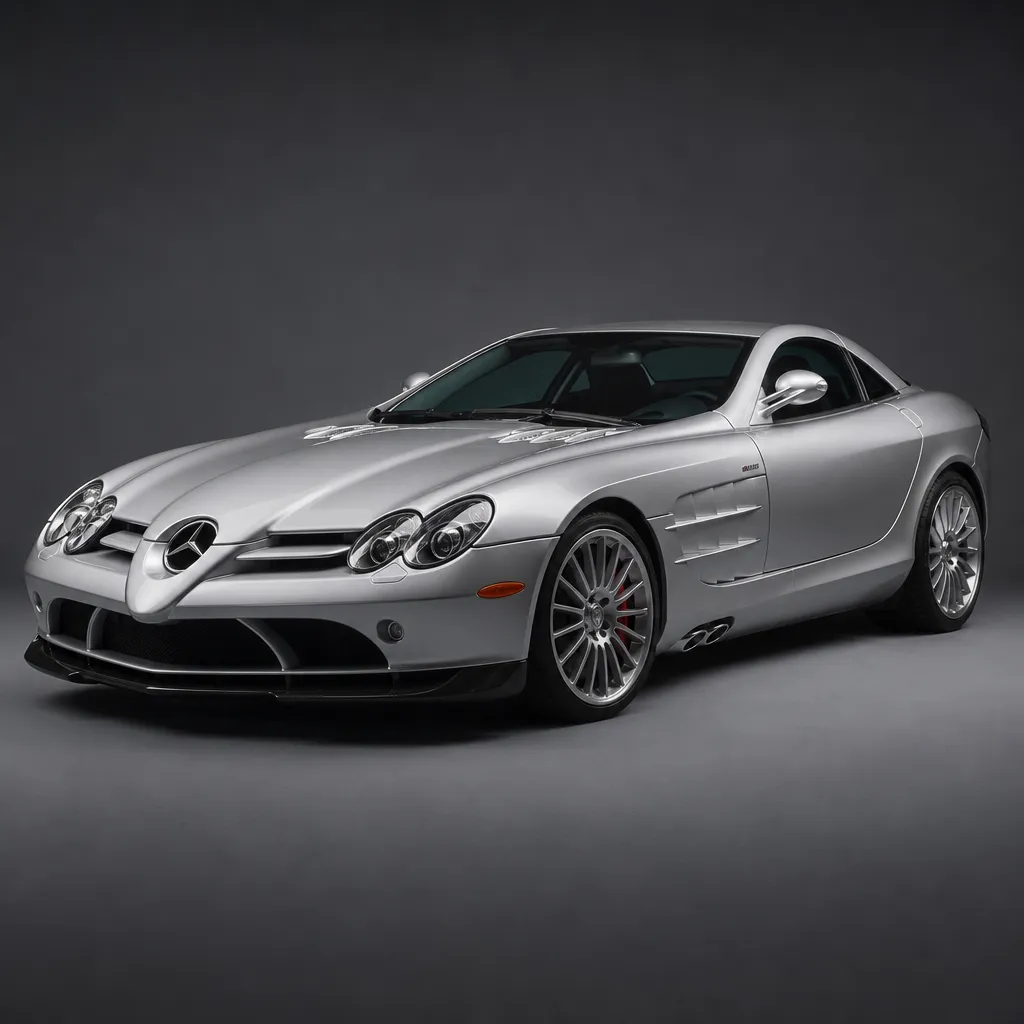
Mercedes-Benz SLR McLaren Ownership
Mercedes-Benz SLR McLaren: Focus here is the standard SLR McLaren coupé (2003–2007) and Roadster (2007–2009). Running costs are firmly in modern-supercar territory: annual servicing is straightforward if you use a true SLR-experienced workshop, but carbon-ceramic brakes, complex cooling and the huge carbon front clam can turn small mistakes into large bills. The 722-badge cars (722 Edition coupé and 722 S Roadster) are scarcer and worth materially more; costs are similar to run, but parts sourcing for their unique items can be harder and pricier. RHD, UK-supplied cars with complete SLR service history are the sweet spot for long-term ownership.
Last reviewed:
What we would buy: a UK‑supplied, RHD standard coupé or Roadster with continuous SLR‑centre or recognised marque‑specialist history, recent brake inspection with measured disc condition, documented five‑year plug service, fresh gearbox fluid, and recent tyres. Provenance matters: original book pack, both keys, toolkit, factory charger lead and the optional SLR‑branded luggage all help. Colours are personal, but unusual factory paints and well‑specified interiors carry a premium over the common silvers. Variants and value: the standard coupé is the volume car and generally the best value. The Roadster is rarer and usually commands more. The 722 Edition coupé and 722 S Roadster were built in small runs and are much more expensive today; they share the same servicing cadence but have unique wheels, suspension tune and trim that can be costlier to replace. Options and spec notes: carbon‑ceramic brakes were standard. Desirable features include carbon interior trim, fixed‑back sports seats, the factory luggage set and high‑spec audio. Aftermarket wheels and suspension detract from value; originality sells. UK buyers typically pay a premium for RHD and for UK‑first‑delivered cars with low owners. For all cars, inspect the nose radiators, undertrays and brake disc faces, check for roof seal noise on Roadsters, and test the door struts and windows for smooth operation. A short, careful test confirms the gearbox shifts crisply and that there’s no judder or pull under firm braking. Budget annually rather than per mile; the car rewards planned, preventative maintenance over reactive repairs.
Focus here is the standard SLR McLaren coupé (2003–2007) and Roadster (2007–2009). Running costs are firmly in modern-supercar territory: annual servicing is straightforward if you use a true SLR-experienced workshop, but carbon-ceramic brakes, complex cooling and the huge carbon front clam can turn small mistakes into large bills. The 722-badge cars (722 Edition coupé and 722 S Roadster) are scarcer and worth materially more; costs are similar to run, but parts sourcing for their unique items can be harder and pricier. RHD, UK-supplied cars with complete SLR service history are the sweet spot for long-term ownership.
Carbon-ceramic discs are the headline risk. If the car sits damp after washing or little use, surface corrosion can bite; replacement of a full set with pads through OE channels can land in the £20,000–£30,000 bracket. The electro‑hydraulic braking hardware and hubs are bespoke; faults here are rare but four‑figure fixes when they occur. Spark plug replacement (twin‑spark V8) is a five‑year job with heavy labour; budgeting £3,000–£5,000 is sensible if coils or heat shields are tired. The dry‑sump oil system and charge‑cooler circuit must be kept spotless; leaks or heat‑soak issues typically run £1,000–£3,000 to sort, more if radiators or intercoolers are damaged by road debris in the low nose. The carbon front clam/bonnet is eye‑wateringly expensive if cracked; even minor repairs and paint can run to five figures, whilst outright replacement can exceed £40,000. Door gas struts tire with age; expect roughly £800–£1,200 per side fitted. On Roadsters, roof seals and latch alignment can need periodic fettling; allow £1,500–£3,000 for a thorough refresh if there’s wind noise or water ingress. The 5‑speed auto is robust but wants periodic fluid and conductor‑plate attention; ignore it and you risk a £2,000–£4,000 bill rather than a three‑figure service. Tyre pressure sensors and battery management niggles are common on infrequently used cars; neither is catastrophic, but diagnostics and calibration time adds up.
In practice the SLR is happiest when exercised. Regular heat cycles keep discs clean, seals pliant and the charge‑cooler system efficient. Avoid washing and garaging it wet. Use a conditioner on a healthy battery, and keep the original trickle‑charge lead with the car. Warm the dry‑sump V8 properly before hard use; oil level checks have a procedure—follow it exactly to avoid overfilling. The nose is long and low; stone protection film on the leading edges and the sills earns its keep. Always use the correct lifting points and a shop that knows the car’s carbon structure; casual jacking can be ruinous. Annual service is time‑based more than mileage‑based: oil and filters every year, brake fluid every two, gearbox service around four years, coolant and the 16 plugs at five. Most consumables are available, but some trim and 722‑specific bits can involve lead times. Fuel economy sits in the low‑ to mid‑teens mpg on mixed UK use; range matters on tours, so plan accordingly. The car is long, wide and generates real kerb heat; choose parking with space and be delicate with the doors in tight garages. Kept on top of, the standard car feels useable and GT‑like on a British A‑road, with the Roadster adding worthwhile drama without a big penalty if the roof is maintained.
Indicative costs and values
- Routine service
- £1,200–£2,000
- Major service
- £3,500–£7,500
- Tyres
- £1,600–£2,400
- Annual reserve
- £4,000–£10,000
- Annual insurance estimate
- £2,000–£7,500
Estimates are guidance, not quotations; condition and circumstances affect actual costs.
Guide sections
Start a wanted car search on SCN or browse active buyer requests.