
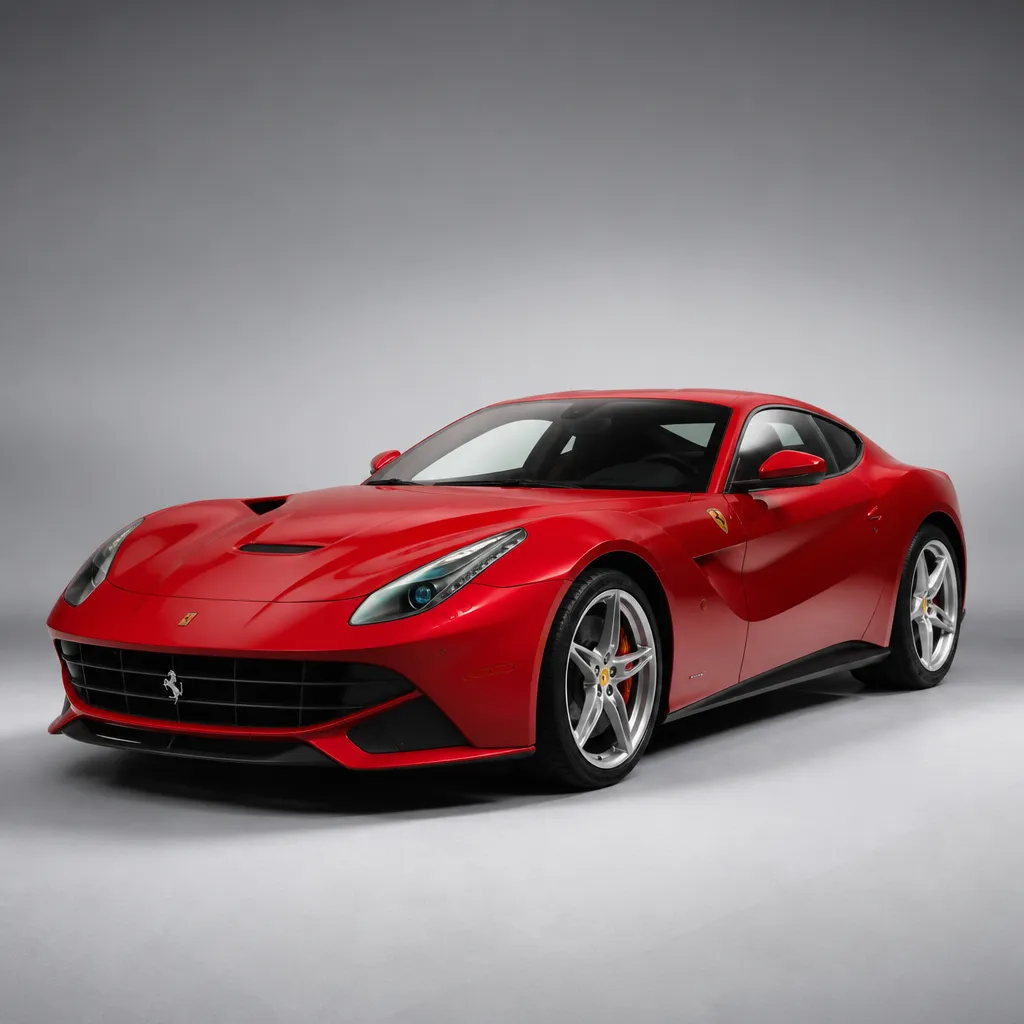
Ferrari F12berlinetta Ownership
Ferrari F12berlinetta: Expect heavyweight but predictable outgoings. A well-kept, UK‑supplied F12 run with a good independent will want an annual service and a sensible tyre budget; insurance sits in the high hundreds to low thousands depending on mileage and storage. The big liabilities are carbon‑ceramic brakes and the dual‑clutch gearbox if mistreated.
Last reviewed:
Service cadence: annual service every year regardless of mileage; more involved services roughly every 20,000–25,000 miles will include gearbox fluid/filters, coolant, auxiliary belts and spark plugs. There is no cambelt interval. A fresh MOT each year is sensible even on exempt‑mileage cars, as advisories catch suspension bush wear and brake issues early. What to budget: beyond the figures above, allow for detailing and paint protection top‑ups if you value presentation, and a small pot for smart repairs to front‑end stone rash. Tyres are summer‑biased; a second set of wheels with all‑season tyres is uncommon but transforms usability if you drive year‑round. How to buy well: prioritise cars with uninterrupted service history, warm‑up discipline evidenced by ownership habits, and undamaged ceramic discs. Inspect the gearbox for smooth cold shifts and clean launches without judder. Look for even tyre wear and recent alignment. Verify tracker subscriptions and keys. Insurance: specialist agreed‑value cover for a garaged, limited‑mileage F12 typically sits in the range given, rising with urban postcodes, multiple drivers or high annual mileage. Track use, modifications and young named drivers move premiums sharply. Finance: monthly outlay for an F12 is significant whether hire‑purchase or PCP with a balloon. Representative APRs in the UK performance‑car market are mid‑to‑high single digits to low double digits; the range quoted reflects typical packages from specialist lenders. Rates and payments vary with credit profile, mileage allowance and whether negative equity is being cleared on part‑exchange.
Expect heavyweight but predictable outgoings. A well-kept, UK‑supplied F12 run with a good independent will want an annual service and a sensible tyre budget; insurance sits in the high hundreds to low thousands depending on mileage and storage. The big liabilities are carbon‑ceramic brakes and the dual‑clutch gearbox if mistreated.
- Carbon‑ceramic rotors: usually long‑lived if not tracked or chipped, but a set can run £12,000–£20,000+. Pads typically £700–£1,200 per axle. - Getrag dual‑clutch gearbox: fluid and filter changes are prudent; mechatronic or clutch issues can mean £6,000–£12,000. - Magnetorheological dampers: leaks or valve failures £1,000–£1,500 each plus alignment. - Radiators and condensers sit in the firing line; stone damage or corrosion can total £800–£1,500 each fitted. - Headlamps and rear lights are dear; budget £2,000–£3,000 per unit if moisture ingress or DRL failure sets in. - Interior “sticky” switchgear refurbishment £600–£1,500 depending on extent; dashboard leather shrinkage can be £1,000–£2,500 to correct. - Engine sensors (e.g. crank/cam) and coil issues are uncommon but not unknown: £800–£1,500 with diagnostics. - TPMS sensors, battery and chargers are consumables on garage‑kept cars: £300–£600 to sort a weak battery and keep it on a conditioner; £250–£400 for a set of TPMS sensors. - Geometry and tyre wear: rears can be short‑lived if used enthusiastically; allow for frequent alignments (£250–£400) to preserve tyres and steering feel.
Annual servicing is straightforward and need not be ruinous. Many cars had Ferrari’s seven‑year scheduled maintenance from new; by now nearly all will be outside that window, so service history matters. The F140 6.3‑litre V12 uses timing chains, not belts, which helps avoid big scheduled bills. We favour annual oil and brake fluid, plus gearbox fluid and filters on a time basis rather than just mileage. In practice, the car is reliable if used regularly. Keep it on a quality conditioner, as low batteries trigger spurious warnings. Ceramic brakes can squeal and pick up light surface marks; that is not a reason to replace discs. Inspect for stone damage to front radiators and condensers, and check undertrays and fixings for kerb strikes. Tyres: stick to Ferrari‑approved compounds; mismatched sets upset the chassis. Expect rears first; a proper alignment after any suspension work pays for itself. The magnetorheological dampers give superb control but weep when tired; budget accordingly. Paperwork to see: complete book pack with annual stamps, invoices for gearbox fluid services, evidence of any software updates and recall work (airbag campaigns were issued). Check sticky switch remediation quality and that leather on the dash and binnacle has not lifted. Insurance is almost always on a limited‑mileage, agreed‑value basis, with a Thatcham‑approved tracker and garaging typically required; experienced drivers with clean licences see the best rates. Fuel economy in mixed UK use is mid‑teens mpg; use top‑tier 98 RON. Our view: run routine work with a respected independent, and reserve main‑dealer visits for diagnostics, software and campaign actions. Driven and maintained properly, an F12 is a usable V12 that rewards preventive maintenance over reactive fixes.
Indicative costs and values
- Routine service
- £900–£1,500
- Major service
- £1,800–£3,000
- Tyres
- £1,200–£1,800
- Annual reserve
- £3,000–£6,000
- Annual insurance estimate
- £1,800–£3,500
Estimates are guidance, not quotations; condition and circumstances affect actual costs.
Guide sections
Start a wanted car search on SCN or browse active buyer requests.