
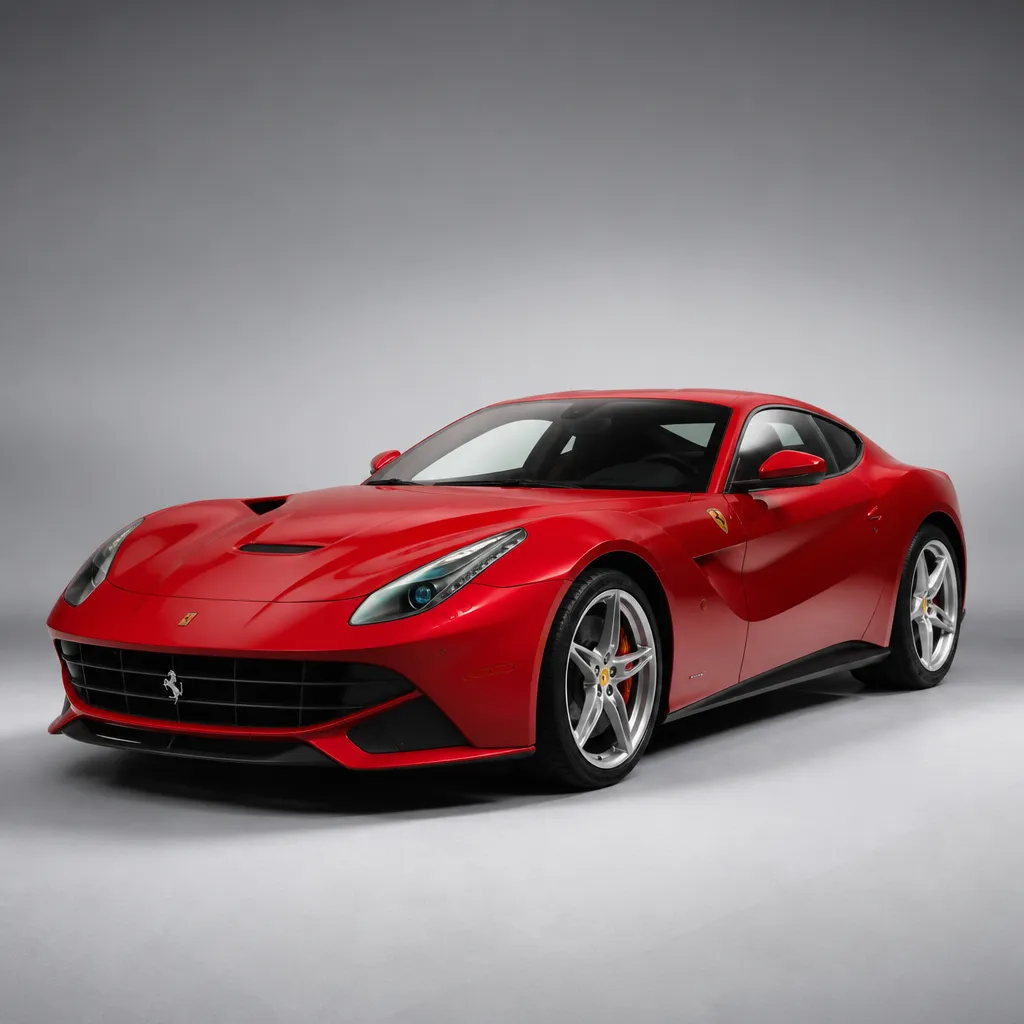
Ferrari F12berlinetta Buyer's guide
Ferrari F12berlinetta: Launched at Geneva in 2012 and built to 2017, the F12berlinetta replaced the 599 with the 6,262 cc F140 FC V12 up front and a 7‑speed dual‑clutch at the rear. Ferrari quoted 730 bhp (544 kW) and 509 lb ft (690 Nm). Production was circa 3,300 cars worldwide, with strong UK supply in right‑hand drive. UK list was around £240,000 before options; many cars left showrooms at £280,000–£300,000. Today UK‑advertised examples typically sit between the mid‑£140,000s and just over £200,000 depending on miles, provenance and specification. Running costs are material but predictable if you buy well.
Last reviewed:
Ownership notes. Expect 16–20 mpg in mixed UK use. VED is in the highest pre‑2017 band; 2017‑registered cars may fall under the later regime with an annual supplement. Insurance is specialist and driver‑dependent; budget accordingly. Tyres are £1,200–£1,600 a set fitted; a proper four‑wheel alignment is worthwhile after any suspension work. Values. On the UK retail side, mileage, colour/spec and provenance dominate. Imports, unusual colours, heavy aftermarket modifications and missing books push a car down the order. UK online auctions have been a useful barometer for honest, mid‑mile cars; exceptional, low‑mile one‑owner cars still transact with specialists off‑market. Living with one. Keep it on a tender, warm it properly, change fluids on time and drive it. The F12 rewards regular use; most complaints we see trace back to heat, time and standing, not fundamental design. Buy the right example and it is a very usable V12 Ferrari for British roads.
Launched at Geneva in 2012 and built to 2017, the F12berlinetta replaced the 599 with the 6,262 cc F140 FC V12 up front and a 7‑speed dual‑clutch at the rear. Ferrari quoted 730 bhp (544 kW) and 509 lb ft (690 Nm). Production was circa 3,300 cars worldwide, with strong UK supply in right‑hand drive. UK list was around £240,000 before options; many cars left showrooms at £280,000–£300,000. Today UK‑advertised examples typically sit between the mid‑£140,000s and just over £200,000 depending on miles, provenance and specification. Running costs are material but predictable if you buy well.
Facts. The F140 FC is chain‑driven (no cambelts), dry‑sump, with variable intake and Bosch engine management. The 7‑speed Getrag dual‑clutch drives the rear wheels via E‑Diff3 and F1‑Trac. Factory figures: 0–62 mph in 3.1 s; CO2 circa 350 g/km. What to look for. Age‑related cooling issues are the most frequent irritant: seeping radiator end tanks, perished hose necks and clamps, and water‑pump weep from the relief hole. Heat‑soak “hot‑start” complaints crop up; they present as slow crank/no crank after a short stop and typically trace to voltage drop in the main starter/battery cabling and earths. A healthy AGM battery on a tender and, where needed, an uprated main cable/earth lead is the durable cure. The dual‑clutch is generally robust if serviced on time. Check for clean shifts cold and hot, no hesitation selecting reverse, and no driveline shunt under light throttle. Have a specialist read clutch wear/adaptation values and check for leaks at the mechatronic unit and output seals. Diff and gearbox oils should have been changed on schedule. Ancillaries: coil‑pack and sensor glitches are not common but do happen; scan the car hot and cold. Exhaust valve actuators should switch cleanly; stuck valves cause droning. HELE stop‑start was optional; many owners disable it as it can mask tired batteries. There are no structural engine design “gotchas”, but neglected cooling and weak batteries generate a lot of spurious faults. Costs in practice (indicative, independent or main‑dealer mix): annual service £700–£1,200; larger service with plugs and fluids £1,500–£2,500; battery £300–£500; pair of radiators if needed £2,000–£3,000 fitted; water pump £1,200–£2,000 fitted. Ferrari’s 7‑year Genuine Maintenance covered early life; after that, budget accordingly. Ferrari Power warranty extensions exist and can be worthwhile if the car qualifies.
Facts. Aluminium spaceframe with double wishbones, SCM‑E magnetorheological dampers and hydraulic steering. E‑Diff3 with F1‑Trac stability logic. Brembo CCM3 carbon‑ceramic brakes with ABS. Factory tyres were 255/35 ZR20 front and 315/35 ZR20 rear, usually Michelin Pilot Super Sport. What to look for. MagneRide dampers can seep; any misting or knocking over small bumps suggests rebuild or replacement. Front lower wishbone bushes and rear toe‑links wear; uneven inner‑edge tyre wear and tramlining point to geometry out of spec. Steering should be tight with no dead‑ahead nibble. Carbon‑ceramic discs last on road cars but measure lip/thermal spotting and inspect for chips; pads are consumable and expensive. Brake squeal at low speed is common and not necessarily a fault. There has been a Ferrari recall campaign to replace/vent brake‑fluid reservoir caps and update software to improve low‑fluid warnings. Confirm this has been done. Tyres older than six years or mismatched brands unsettle the car; a correct, fresh set is money well spent. A full geometry set‑up transforms a tired example.
The body and structure are aluminium, but galvanic corrosion can appear where steel meshes meet aluminium panels – bubbling paint around rear bumper/vent apertures is the tell‑tale. Budget for a proper refinish rather than a blow‑in. Front undertrays and the lower bumper edge lead hard lives; inspect for kerbing, loose fixings and cracked composite panels. Door edges and sill covers pick up chips; stone rash behind the front wheels is normal without PPF. Look for consistent panel gaps, overspray in the bonnet gutters and fastener witness marks that betray prior repairs. Optional exterior carbon can yellow or go cloudy from heat/UV if the lacquer has degraded; restoration is possible but not cheap. Headlamp lenses should be clear and dry; moisture suggests venting issues. Exhaust tips suffer heat staining; that is cosmetic unless the rear valance has heat damage.
Ferrari improved trim quality versus the 599, but familiar issues remain. Leather shrinkage on the dash top and passenger airbag panel is the big one; lifting seams or a visible “step” around the airbag outline means a retrim (£1,000–£2,000+ depending on scope). Soft‑touch coatings on switches can go sticky; professional refinishing is the fix. Seat bolsters scuff; check electric runners, memory and heating all work. Later cars gained optional Apple CarPlay; earlier infotainment is dated but should pair and stream if healthy. Verify the reversing camera (if fitted) and front/rear sensors; intermittent faults are often loom or module related. Ensure both keys, the charger, tool kit and tyre inflation kit are present. A healthy battery and regular use of the tender prevent many “electrical system failure” messages.
Buy on paperwork. The best cars show uninterrupted annual servicing from a Ferrari dealer or a recognised UK specialist, with invoices itemising coolant, gearbox and diff oil changes at the right intervals, not just stamps. Many cars enjoyed Ferrari’s 7‑year service plan; evidence that it was used annually is positive. Check DVSA recall history against the VIN. Two matter for the F12: the passenger‑airbag inflator (Takata) and the brake‑fluid reservoir cap/software update; both should be ticked off by a dealer. UK‑supplied RHD cars with known histories and sensible owners are easier to move on than LHD imports. Low owners and moderate, regular mileage read well; stored, ultra‑low‑mile cars can have perished tyres, weak batteries and dried seals. Options that carry weight with UK buyers include the carbon driver zone with LED wheel, Daytona‑style or carbon‑shell seats, AFS headlights, parking camera, forged wheels and tasteful exterior colours. Classiche certification is not essential on the F12 but tidy, one‑paint examples command a premium. Market temperature. As of mid‑2026, UK classifieds (AutoTrader, PistonHeads, marque specialists) typically show asking prices in the mid‑£140,000s for higher‑mile, earlier cars up to a little over £200,000 for low‑mile, late‑build, well‑specced examples. UK online auction results in the past 12–18 months have generally landed mid‑£150,000s to high‑£170,000s for honest 20k–40k‑mile cars, with fees on top. Exceptional provenance still moves the dial.
- Paperwork first: full set of invoices, not just stamps; evidence of coolant, gearbox and diff services at time/mileage; recall print‑out showing airbag and brake‑cap campaigns completed; MOT history that matches mileage progression. - Battery/charging: measure voltage at rest and running; confirm the car comes with (and has been used with) a tender. Clear all codes and see what returns after a proper road test. - Hot‑start test: drive to full temperature, shut down for 10–15 minutes, then restart repeatedly. Any slow/no crank points to high resistance in the main cable/earths or a dying battery. - Cooling system: cold and hot checks for leaks; inspect radiator end‑tanks, lower hose joints, coolant crossover pipes and the water‑pump weep hole. Check fans cut in as they should. - Engine: listen for tick/knock when hot (should be mechanically quiet); check for oil misting at cam covers. Confirm no warning lights and no stored engine/ABS/EDIFF codes after a long drive. - Gearbox/diff: cold start upshift/downshift quality, then hot; no flare, no hesitation engaging reverse, no thunking at low speed. Read clutch/adaptation values and inspect for mechatronic/oil seal leaks. Confirm recent gearbox and diff oil changes. - Suspension/steering: look for MagneRide misting, bush wear and ball‑joint play. Drive over broken surfaces with bumpy‑road mode on/off. Steering should be linear with no vibration. - Brakes: inspect discs for chips/cracks and pads for life; road‑test for judder. Confirm the brake‑cap recall and fluid age; brake squeal at parking speeds can be normal. - Tyres/wheels: correct 255/35 and 315/35 sizes, matching premium brand, even wear and date codes within six years. Check forged wheels for hairline cracks and previous repairs. - Body: front undertray and splitter for impacts; rear vents and bumper for paint bubbles; look for overspray and disturbed fasteners. PPF edges hiding rash are fine if declared. - Interior: dash top/airbag panel for shrinkage; test all switchgear, HVAC and infotainment; verify camera/sensors. Check both keys, charger, books, tool kit and compressor. - Underside: leaks, heat‑shield condition, intact exhaust valve hoses, no melted loom sections near the manifolds. - Final scan: clear, road‑test, rescan. Anything persistent gets priced into the deal or fixed before money changes hands.
Our view. A late‑2015 to 2017 UK‑supplied RHD car with 10,000–30,000 miles, complete main‑dealer or top‑tier specialist history and evidence of recent cooling attention (radiator/pump/hoses) is the sweet spot. We would prioritise cars with the carbon driver zone + LED wheel, parking camera, AFS headlights and forged wheels, in a strong colour (Blu Tour de France, Rosso Berlinetta, Grigio Titanio) over heavy exterior carbon. We would actively avoid cars with dash shrinkage, unresolved hot‑start behaviour or patchy servicing; they are false economy when tidy, well‑documented examples are available.
Known issues
- Cooling system seepage: radiator plastic end‑tanks and hose necks can crack; look for pink/white staining and low coolant warnings.
- Water‑pump weep from the relief hole; usually age/coolant related.
- Heat‑soak hot‑start: slow/no crank when hot due to voltage drop in main starter/battery cables and earths; uprated cabling cures.
- Weak/old batteries cause a cascade of spurious errors; a tender is essential if the car sits.
- DVSA recalls: passenger‑airbag inflator (Takata) and brake‑fluid reservoir cap/software update; verify completion.
- MagneRide damper leaks or knock; rebuild/replace as required.
- Front lower arm bushes/rear toe‑links wear; manifests as tramlining and inner tyre wear.
- Carbon‑ceramic brake pad wear and occasional disc chipping/thermal spotting if abused; parts are costly.
- Paint bubbling around steel mesh/aluminium interfaces at the rear; galvanic corrosion under the paint.
- Exterior carbon lacquer yellowing/clouding from heat/UV.
- Interior leather shrinkage on dash/airbag panel; sticky soft‑touch coatings on switches.
- Parking sensor/reversing camera intermittency (loom/module).
Guide sections
Start a wanted car search on SCN or browse active buyer requests.