
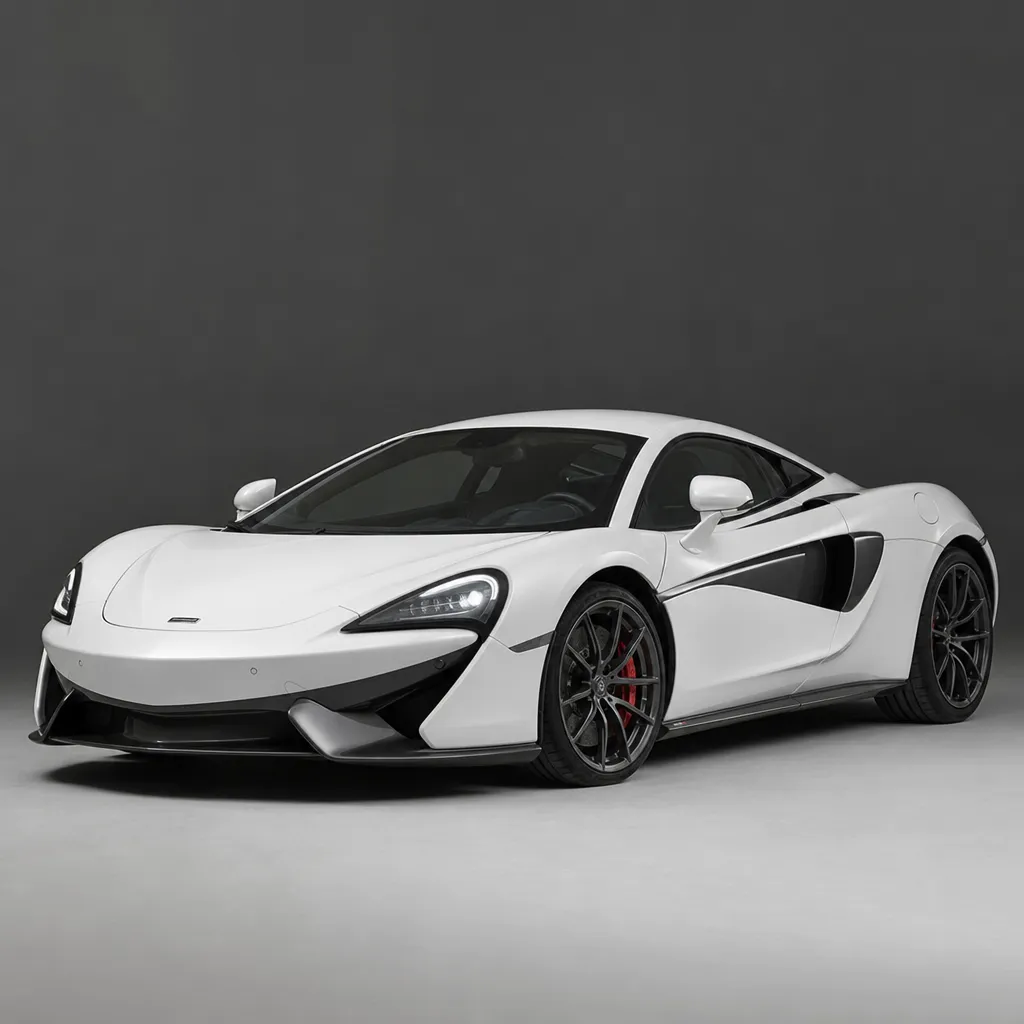
McLaren 570S Buyer's guide
McLaren 570S: Launched in 2015 as the first Sports Series McLaren, the 570S couples the MonoCell II carbonfibre tub with the Ricardo‑built 3.8‑litre twin‑turbo V8 (M838T family) and a Graziano seven‑speed dual‑clutch. Most UK 570S have carbon‑ceramic brakes and adaptive dampers. McLaren does not publish exact production by model; volumes are in the many thousands, so rarity is driven by specification and history, not overall numbers. Original UK list price was circa £143,000 for the coupé; the Spider followed in 2017 at around £165,000. UK classifieds in 2024 typically show coupés at £80k–£110k and Spiders at £105k–£140k, with mileage, options and provenance decisive.
Last updated:
Last reviewed:
Costs to keep in mind (indicative UK figures). Annual servicing at a franchised dealer or recognised specialist typically lands around £900–£1,500 depending on scope. Brake fluid is annual. Gearbox and differential oils are time‑based (circa five years). A quality battery £250–£400 plus fitting and coding. Tyres £1,200–£1,600 a set fitted. Carbon‑ceramic discs last well but are dear to replace; individual discs can run into four figures each, so inspect carefully. SSG gearbox issues are uncommon but expensive; budgeting a contingency fund is prudent. Model notes. The 570S launched in 2015, styled under Robert Melville. Coupé first, then Spider from 2017. Compared with Super Series cars, the Sports Series uses adaptive dampers with conventional anti‑roll bars, so expect simpler hardware and lower maintenance exposure. The 540C sits below and the 570GT alongside as a plusher alternative with different braking/wheel spec; ensure you are comparing like‑for‑like when assessing prices. Paperwork pack. Seek: original order and option sheet, full stamped service book with invoices, recall/campaign confirmations, alignment print‑outs, recent diagnostic report, tracker paperwork and charger. For cars within eligibility, an active McLaren extended warranty is a positive signal but not essential if inspection evidence is strong.
Launched in 2015 as the first Sports Series McLaren, the 570S couples the MonoCell II carbonfibre tub with the Ricardo‑built 3.8‑litre twin‑turbo V8 (M838T family) and a Graziano seven‑speed dual‑clutch. Most UK 570S have carbon‑ceramic brakes and adaptive dampers. McLaren does not publish exact production by model; volumes are in the many thousands, so rarity is driven by specification and history, not overall numbers. Original UK list price was circa £143,000 for the coupé; the Spider followed in 2017 at around £165,000. UK classifieds in 2024 typically show coupés at £80k–£110k and Spiders at £105k–£140k, with mileage, options and provenance decisive.
The 3,799 cc M838T‑series V8 in the 570S was developed with Ricardo and uses dry‑sump lubrication, flat‑plane crank and twin Mitsubishi turbos. McLaren quoted 570 PS (562 bhp) at 7,400 rpm and 600 Nm from 5,000–6,500 rpm. Drive is through a Graziano seven‑speed SSG dual‑clutch transaxle and an open rear differential with brake‑based torque vectoring. In practice the powertrain is robust if serviced on time, kept on the correct oil, and properly heat‑cycled. Owner reports commonly mention parasitic battery drain if the car is left unused; plan to use a maintainer. IRIS infotainment glitches are usually software, but screens and Bluetooth modules do fail. Minor oil weeps from cam covers or ancillary lines are not unknown; treat any leak seriously on a dry‑sump car. Turbocharger wastegate or seal wear tends to present as inconsistent boost or smoke on overrun; budget for investigation if you see it. The SSG is quick and generally durable; harsh engagements, hesitation from rest, or persistent fault lights point to clutch or mechatronic issues that require specialist diagnosis. Service is annual or roughly every 10,000 miles. Expect periodic gearbox and differential fluid changes on time (typically five‑year cadence) and to keep software current; many niggles are cured by updates. A healthy 570S starts cleanly from cold, idles without hunting, and pulls cleanly to red line with no smoke and no driveline vibration.
The Sports Series uses double wishbones with adaptive dampers and conventional anti‑roll bars. Most 570S were supplied with carbon‑ceramic discs and fixed calipers; steel brakes are rare in the UK. Standard wheels are staggered 19/20‑inch with Pirelli tyres. Wear points are bushings, damper top mounts and wishbone ball joints on higher‑mileage or poorly aligned cars. Road‑salt exposure can mark aluminium damper bodies and fasteners; severe corrosion at clamp points merits replacement. Nose‑lift (if fitted) must work smoothly and hold pressure. Carbon‑ceramic discs last very well on road use; chips, deep scoring, or an uneven grey/white blotchy surface suggest abuse. Pads can glaze if the car is driven gently; a proper bedding cycle often restores feel. ABS and ESC warnings often trace to wheel‑speed sensors or wiring rather than hydraulic faults. Tyres are a cost line; budget £1,200–£1,600 for a quality set. A good 570S tracks straight, rides with more compliance than a typical rival, and should be silent over ripples with no knocks or steering nibble.
Structure is the carbonfibre MonoCell II tub with aluminium front and rear structures and mixed‑material exterior panels. The tub does not rust; inspection is about accident repair quality and corrosion at aluminium components and fixings. Check panel fit at the dihedral doors and rear deck; poor alignment or overspray hints at prior damage. The front undertrays, splitter and lower bumper lips suffer kerb and speed‑bump strikes; heavy grazing is common but should be priced in. On Spiders, inspect roof operation, latch timing and seal condition. Look for water marks in the rear deck wells and in the boot. Ensure the lift system (if fitted) raises and lowers evenly without warning messages. Paint protection film is a plus; stone rash on sills, arches and the nose is typical without it. Exhaust heatshields can rattle with age; new hardware and isolators sort it.
Cabins wear according to use. Alcantara wheels and bolsters go shiny and thin on higher‑mile cars; carbon‑shell seats wear well but check runners and tilt. IRIS 2 touchscreens can show lag, dead zones or pixel issues; many were improved with software, some need hardware. Window drop and lock logic rely on door‑loom health; repeated misalignment or windows failing to drop on opening usually traces to wiring fatigue in the hinge area or to switchpacks. Test HVAC thoroughly; weak cooling or no heat can be compressor, blend flap or control module, and repairs are not cheap. Bowers & Wilkins audio, carbon interior packs and the fixed‑back lightweight seats are desirable to most buyers.
A full McLaren dealer or recognised specialist history matters. Annual stamps, invoices for brake fluid, gearbox/diff services at time, and evidence of software updates carry weight. Many cars have lived on trickle chargers; ask about battery replacement history. Check for completed recall and service campaigns via DVSA and with the supplying dealer; there was a 2020 notice concerning a brake hydraulic connection on some cars, which should have been rectified. UK‑supplied RHD cars with known ownership and low owners tend to sell more easily than recent imports. Options shift demand: nose‑lift, sports exhaust, carbon interior/exterior packs, camera pack, Bowers & Wilkins, and the lightweight seats help values. Track telemetry and Track Pack spec appeal to some, but condition of brakes and tyres then matters even more. Market context: as of 2024, UK classifieds on AutoTrader and PistonHeads show coupés clustered £80k–£110k, Spiders £105k–£140k depending on year, mileage and spec. Collecting Cars and Car & Classic auctions have regularly transacted 570S within those bands in 2023–24. Our view is that provenance and maintenance discipline move the needle more than a thousand miles either way.
Cold start from fully cold. Listen for lifter tick that fades quickly, and for any belt or auxiliary squeal. No smoke at start or on overrun once warm. Idle should be steady with no A/C‑induced stumble. Battery and electronics. Confirm the car lives on a maintainer. Check resting voltage and that all modules wake cleanly. Operate every switch. Pay attention to IRIS responsiveness, Bluetooth pairing and camera system. Scan with dealer‑level diagnostics for historic and pending faults; generic OBD can miss McLaren‑specific codes. Road test. The SSG should creep smoothly, select reverse without delay, and shift cleanly at light and full throttle. No clunks when selecting D/R. Under load there should be no misfire, hesitation or boost oscillation. Steering straight‑ahead should be calm; any tramlining or mid‑corner fidget points to alignment or bush wear. Over sharp bumps there should be no knocks. Test Normal/Sport/Track damper modes for clear differentiation. Brakes. From speed, there should be strong bite and linear feel with no vibration. Inspect discs closely for chips, cracks between drillings, or blotchy heat marking. Measure pad life. Check ABS/ESC lights and run a low‑grip stop to feel modulation. Chassis and underside. With trays off, look for oil weeps at cam covers, turbo feed/return lines and the rear main area. Inspect coolant lines and clips, exhaust flex joints and heatshields. Check wishbone bushes, ball joints and damper bodies for play or corrosion. Examine front splitter, undertrays and jacking points for impact damage. Body and roof. Assess panel gaps, evidence of paintwork and overspray. On Spiders, cycle the roof repeatedly; confirm latch timing, seal condition and no water in the rear deck wells. Test nose‑lift for smooth, silent operation and that it holds raised height. Doors and windows. Ensure windows drop and rise correctly with door operation and that locks latch first time. Watch harness movement through the hinge; any chafing needs attention. HVAC. Confirm strong A/C, rapid demist and stable temperature control on a long drive. No blower squeaks. Tyres and alignment. Check date codes, even wear and correct speed ratings. Ask for a recent alignment print‑out; these cars respond noticeably to correct geometry. History. Verify annual servicing, time‑based fluids, recall work and any warranty claims. Cross‑check VIN against specification and options; desirable packs add value.
Our view is that a late 2018–2020 UK‑supplied 570S Spider, RHD, with nose‑lift, sports exhaust, Bowers & Wilkins audio and the carbon‑shell lightweight seats is the sweet spot. The MonoCell II means virtually no rigidity penalty with the folding roof, and the Spider adds only around 45 kg. Spiders have held values a touch better in the UK. We would favour a car with documented annual servicing, recent tyres, a healthy battery/charging routine, and evidence of brake and HVAC system health. A clean, sensibly‑miled example in a restrained colour, ideally with PPF on the nose and sills, is where we would put our money.
Known issues
- Parasitic battery drain if left unused; trickle charger use is effectively mandatory.
- IRIS 2 infotainment glitches (lag, reboots, dead pixels); often software, sometimes hardware.
- Door loom/wiring fatigue affecting window drop and locks; occasionally latch logic faults.
- HVAC failures (compressor, blend flap or control module).
- Minor oil leaks from cam covers or ancillary lines; treat and monitor.
- Turbocharger issues (wastegate rattle, seal wear) presenting as inconsistent boost or smoke.
- Suspension wear in bushes, ball joints and damper top mounts; corrosion on damper bodies in salted climates.
- Front undertray/splitter damage from low ride height; lift system faults on cars with nose‑lift.
- Carbon‑ceramic disc damage from track abuse or incorrect pad use; pad glazing from gentle use.
- 2020‑era brake hydraulic connection recall on some cars; confirm rectification via DVSA/dealer.
Guide sections
Start a wanted car search on SCN or browse active buyer requests.