
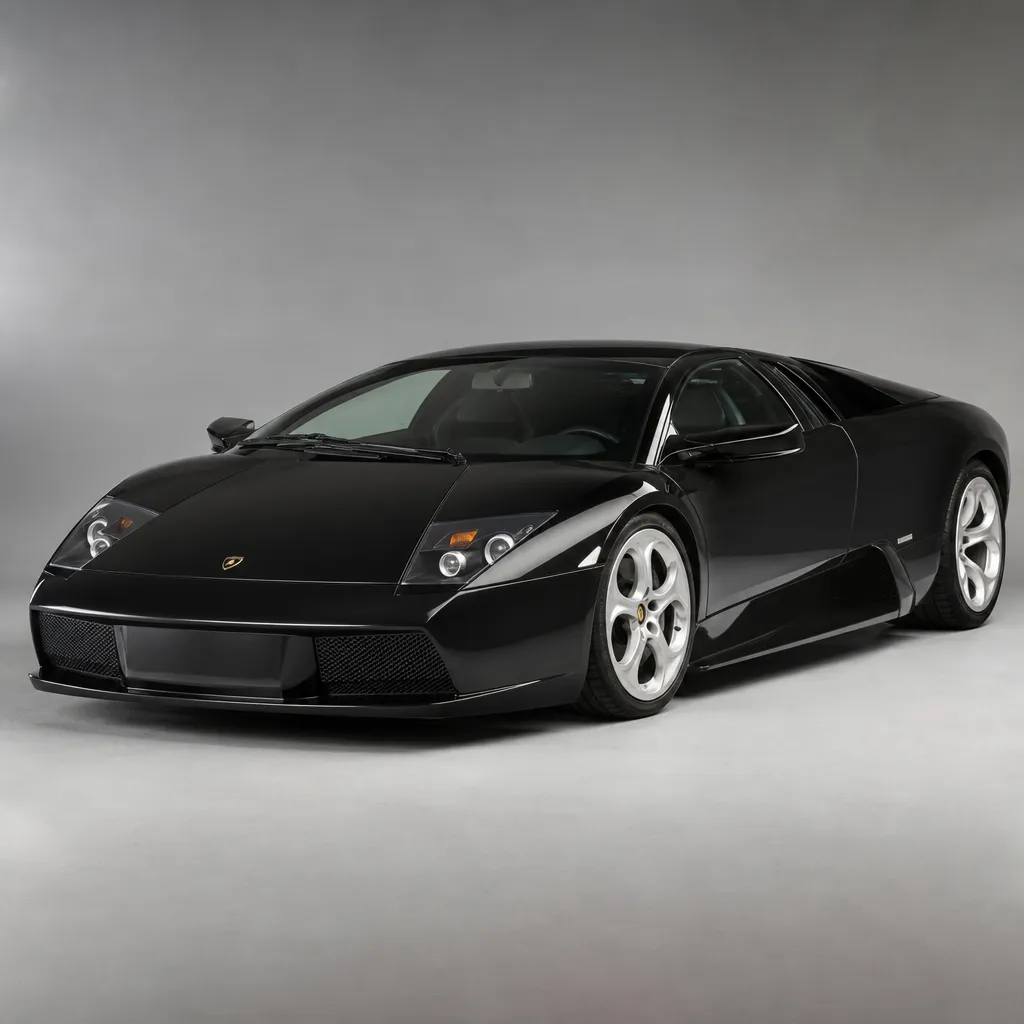
Lamborghini Murcielago Buyer's guide
Lamborghini Murcielago: The engine and gearbox draw you in; the history file should decide whether you stay. Look closely at maintenance during quiet years, the condition of the structure and the expensive hardware beneath the bodywork. A thorough Lamborghini specialist inspection belongs in the purchase budget.
Last updated:
Last reviewed:
The engine and gearbox draw you in; the history file should decide whether you stay. Look closely at maintenance during quiet years, the condition of the structure and the expensive hardware beneath the bodywork. A thorough Lamborghini specialist inspection belongs in the purchase budget.
The V12 deserves to be heard from cold. Ask the seller to leave it unstarted before the inspection, then have a specialist assess its behaviour as it warms through. Cooling-system leaks, damaged hoses, reluctant fans and active intakes need attention, as do unexplained fluid loss or signs of previous overheating. The original 6.2 and later 6.5 are different stages of the same engine family. The LP640 brought substantial revisions, including a larger oil cooler. A later badge is no substitute for evidence that the cooling and lubrication systems are healthy. Gearbox choice changes the ownership experience. The six-speed manual puts the driver in charge of the clutch as well as the open gate. Check take-up, hydraulic operation and selection both cold and warm. If it was converted from e-gear, establish who carried out the work, which parts were used and how the installation was documented. E-gear operates a conventional gearbox and dry clutch through an electro-hydraulic system. Low-speed manoeuvring and prolonged clutch slip can be costly. A specialist should assess engagement, hydraulic operation, calibration and stored faults. The clutch-wear reading is useful evidence, but it cannot promise how many miles remain.
The Murciélago carries substantial suspension hardware, with double wishbones and paired spring-and-damper units at the rear. Inspect joints, bushes, dampers and mountings, then look at the geometry and tyre wear together. Test the front lift and check the system for leaks. Establish which brakes the car has. LP640s can be found with steel or carbon-ceramic discs; the latter are an important part of an SV inspection. Steel discs need the usual wear and crack checks. Carbon-ceramics require the correct specialist assessment, including the manufacturer's wear criteria. Check wheel condition and tyre specification across all four corners. This is a four-wheel-drive car: the correct sizes and compatible rolling circumferences matter. A car that has spent years on display may need tyres despite having ample tread.
The bodywork contains extensive composites, but the structure beneath it still needs a proper corrosion inspection. Put the car on a lift and examine mountings, brackets, undertrays and vulnerable lower surfaces. Stone damage is one thing; distorted structure or an unexplained repair is quite another. Inspect panel fit, paint, composite cracking and evidence of previous work. Repainting a nose does not condemn a car. What matters is knowing why the work was done and whether it was done properly. A convincing file of photographs and invoices is worth far more than an assurance that the paint is excellent. Check the active intakes, rear spoiler, doors, lights and glass. On an SV, original carbon bodywork and aerodynamic parts deserve particularly close attention. The Roadster's manually fitted soft roof is temporary weather protection. Make sure the supports, fastenings and storage equipment are complete, and try fitting it before purchase. Its limitations are part of the car's character, but they need to suit your plans for using it.
Try the driving position before falling for the specification. The Murciélago's exterior dimensions give little useful indication of whether a particular driver will be comfortable. Seat type, adjustment and access all matter. Look for shrinking dashboard leather, worn bolsters, damaged trim and tired mechanisms. Work through the windows, mirrors, locks, instruments and air conditioning. Intermittent warning lights require diagnosis, even if the seller suspects a battery. Original colours and trim help tell the car's story. Sensible, reversible audio upgrades can make ownership easier; retained factory equipment is a useful addition to the file.
Read the invoices. They show what was actually maintained, which workshop knew the car and how it was treated during years when it barely moved. The service book is a useful starting point, but the detail behind the stamps matters more. Reconcile the VIN, factory specification, ownership record and mileage chronology. For a manual, confirm the original gearbox. For an SV, establish the derivative through factory records. Badges, bodywork and a numbered plaque are supporting details, not sufficient proof. Ask directly about accidents, insurance claims and significant repairs. Keep the older records: a later inspection or favourable history-check description does not remove an earlier incident from a car's past. Imports need a coherent trail through their original market and UK registration. Collection cars need evidence of appropriate storage and recommissioning. Have an authorised Lamborghini retailer check outstanding campaigns against the VIN.
• Confirm the factory specification, gearbox and derivative against the VIN. • Read the service invoices and reconcile the mileage and ownership record. • Arrange a cold start, diagnostic inspection and fully warm road test with a Lamborghini specialist. • Inspect cooling, oil, fuel and hydraulic systems for leaks and deterioration. • Examine the structure, repairs, suspension and underbody on a lift. • Check brake condition, wheel damage, tyres and geometry. • Operate the lift, active bodywork, air conditioning and electrical equipment. • Fit the Roadster roof and account for its equipment. • Obtain written estimates for the work the inspection identifies.
Our first choice is an early factory-manual coupé with its original colours and a substantial history file. It combines the uncluttered shape with the gearbox that makes this generation particularly interesting. An LP640 e-gear is a strong alternative if the later design appeals. In either case, we would choose the better car over the lower odometer reading.
Known issues
- Clutch wear and poor e-gear calibration or engagement
- E-gear hydraulic, actuator and sensor faults
- Ageing cooling hoses, leaks, fan or active-intake faults
- Fuel-system deterioration, including leaks and tank problems
- Leaking lift components and worn suspension hardware
- Battery, charging, window and air-conditioning faults
- Corrosion beneath the bodywork or poorly documented accident repairs
- Costly brake wear, damaged SV components or incomplete Roadster roof equipment
Guide sections
Start a wanted car search on SCN or browse active buyer requests.